

How AI Is Transforming Digital Marketing & Content in 2026
Introduction: The shift everyone can feel
If you’ve worked in AI, Digital Marketing, Content Writings over the last few years, you’ve felt it already. Campaigns move faster. Audiences expect relevance. And “good enough” content simply doesn’t cut it anymore.
In 2026, success isn’t about publishing more—it’s about publishing smarter. Marketers who adapt are seeing better reach, higher engagement, and steadier growth. Those who don’t are struggling to keep attention. In this article, I’ll share what’s really changing, why it matters, and how you can stay ahead—without hype or jargon.
The new pace of digital marketing
Marketing used to follow long cycles: research, plan, publish, wait. That rhythm no longer works. Audiences respond in real time, and platforms reward relevance over volume.
What’s different now is speed with direction. Decisions are guided by patterns in audience behavior, not guesswork. Campaigns adjust quickly without losing consistency.
What this means in practice:
- Faster campaign launches with clearer goals
- Less wasted spend on underperforming ideas
- More room to test, refine, and scale what works
Marketers who embrace this shift spend less time reacting and more time improving.

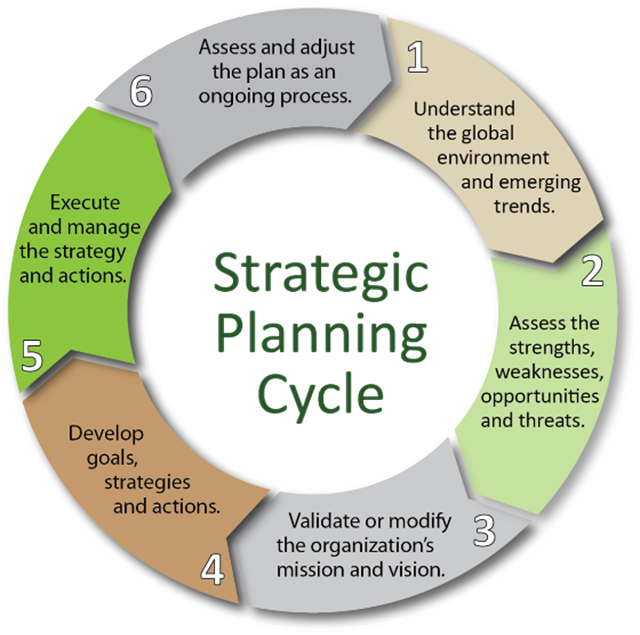
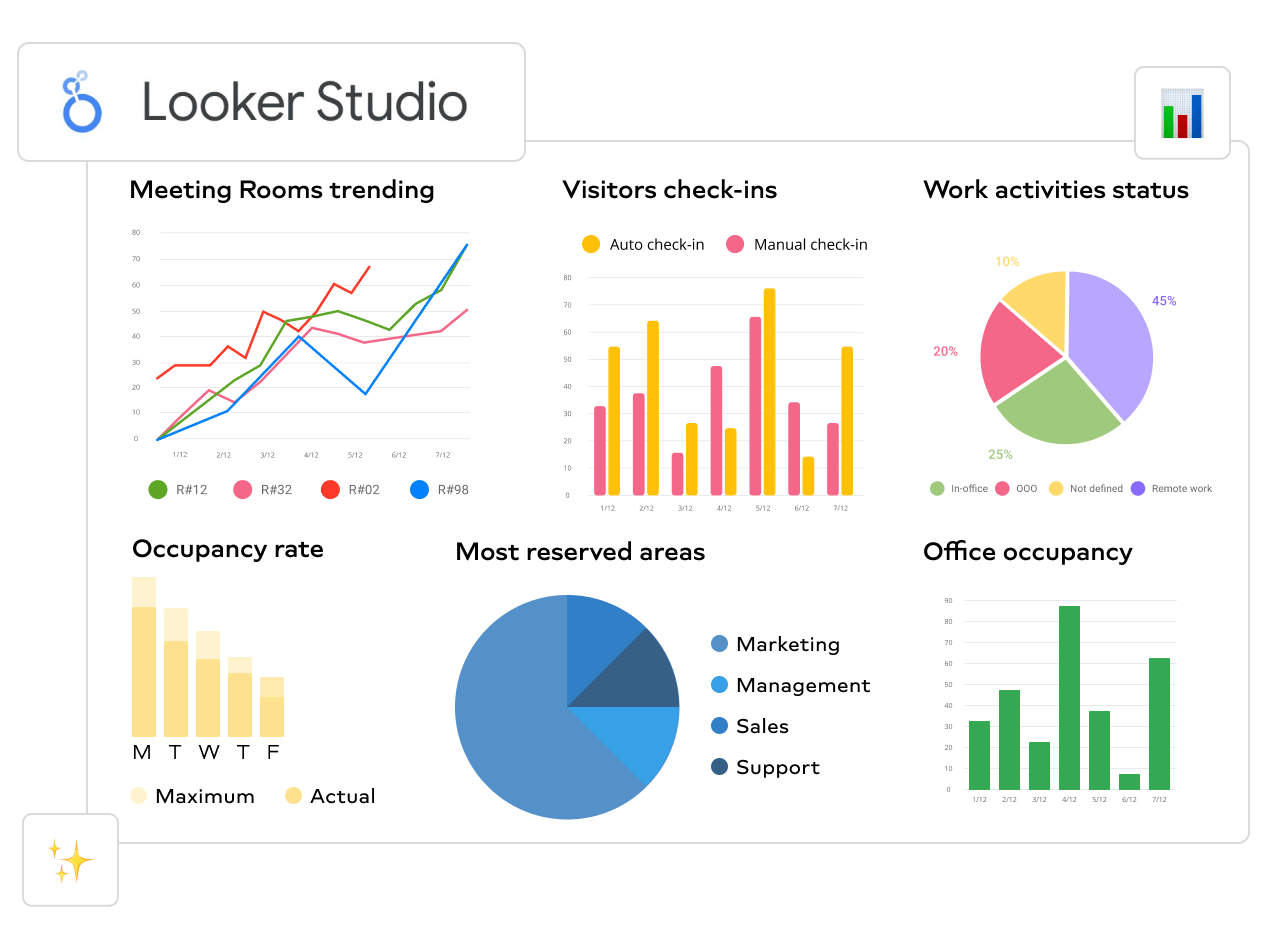
Image Suggestion:
- Description: A modern marketing dashboard showing trends and performance
- File name: digital-marketing-performance-2026.jpg
- Alt text: Digital marketing performance tracking in 2026
Content writing that feels personal again
For a long time, content writing chased algorithms instead of people. The result? Pages that ranked but didn’t resonate.
That’s changing. In 2026, strong content writings focus on intent, tone, and timing. Readers expect content that speaks to their exact problem—not a generic overview.
What effective content looks like now
- Clear opinions backed by experience
- Simple language that respects the reader’s time
- Structure that makes scanning easy
- Examples drawn from real situations
When content feels personal, readers stay longer, trust more, and return.


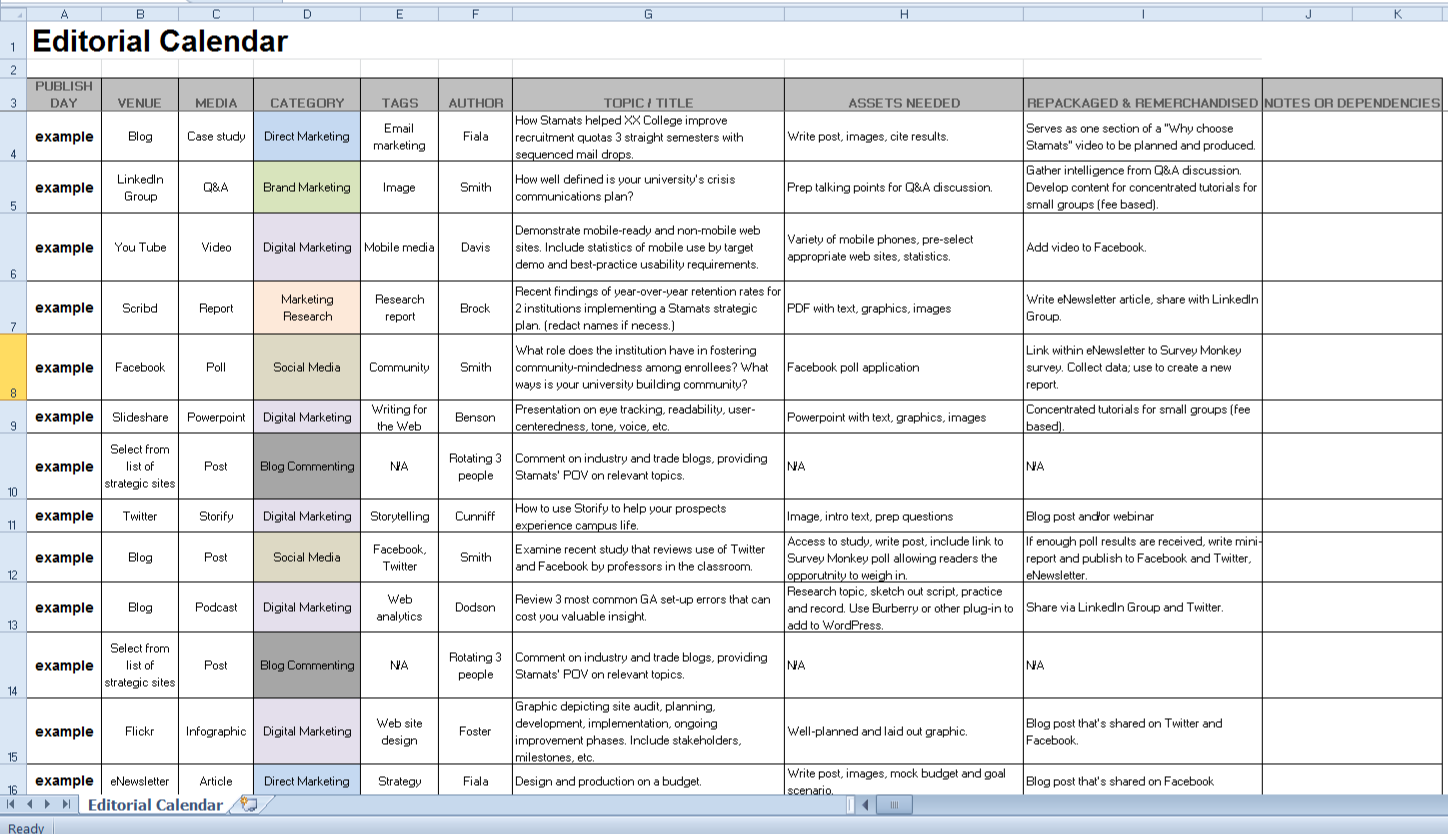
Image Suggestion:
- Description: A writer planning content with notes and outlines
- File name: content-writing-strategy-2026.jpg
- Alt text: Content writing strategy focused on readers
Smarter SEO without keyword overload
SEO hasn’t disappeared—it’s matured. Stuffing pages with keywords no longer works, and most business owners know it.
Today, search success comes from:
- Clear structure
- Natural keyword placement
- Helpful depth instead of shallow volume
Using AI, Digital Marketing, Content Writings naturally means focusing on topics, not tricks. Search engines reward pages that solve problems clearly and completely.
Practical SEO habits that still work
- Write for one reader, not everyone
- Answer real questions early in the article
- Use subheadings that guide, not confuse
- Refresh older content instead of replacing it
SEO in 2026 is less about gaming the system and more about earning trust.
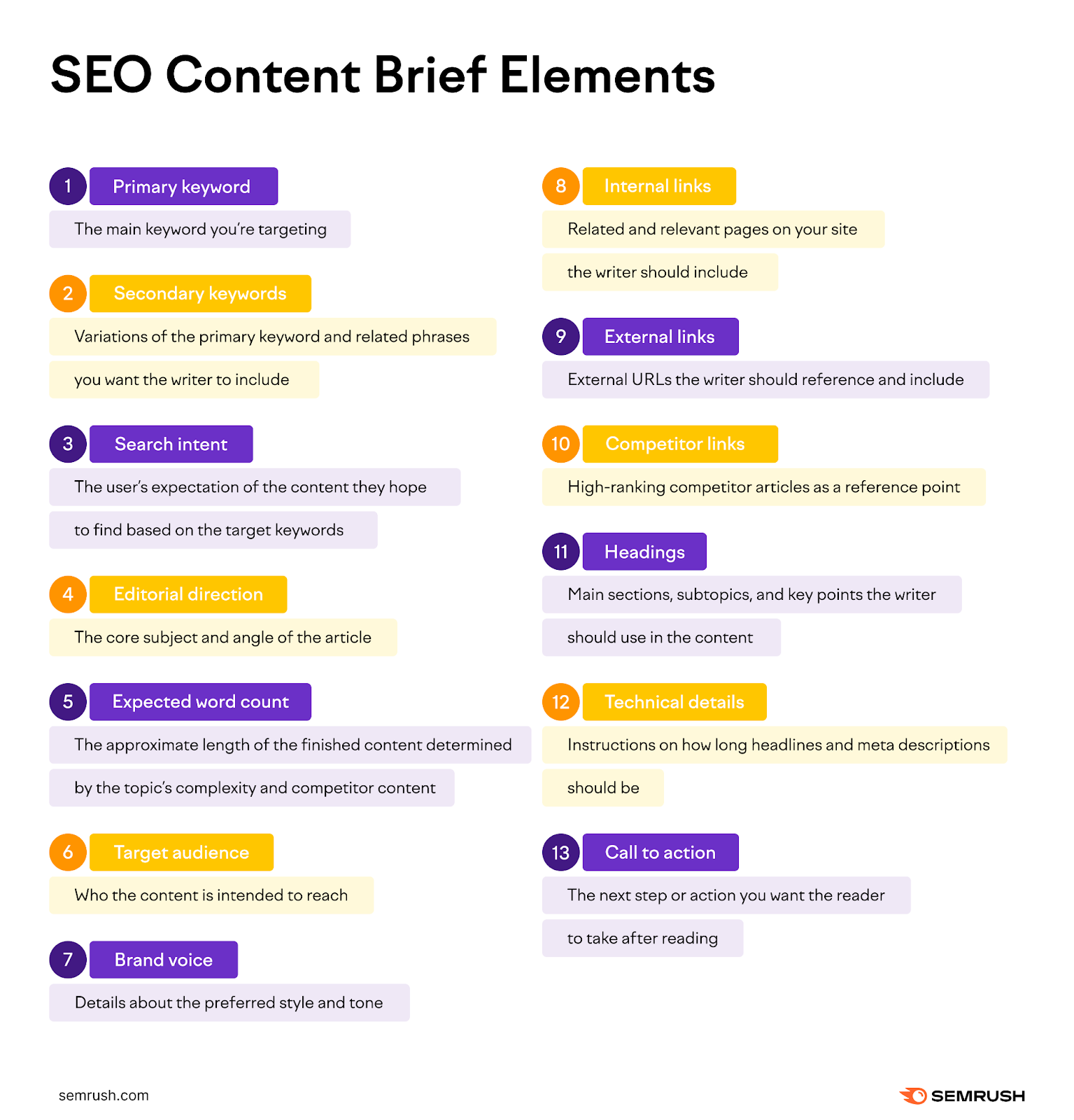


Image Suggestion:
- Description: Clean SEO content layout with headings and bullets
- File name: seo-content-structure-2026.jpg
- Alt text: SEO-optimized content structure example
Digital marketing becomes truly audience-first
One-size-fits-all campaigns feel outdated because they are. Modern digital marketing focuses on audience insight, not assumptions.
Instead of asking, “What should we post?” teams now ask:
- Who is this for right now?
- What problem are they trying to solve?
- What format helps them most?
This approach leads to better engagement across email, social media, blogs, and landing pages.
Channels working best together
- Blogs that answer deeper questions
- Short-form posts that spark interest
- Emails that continue the conversation
Everything connects. Nothing stands alone.
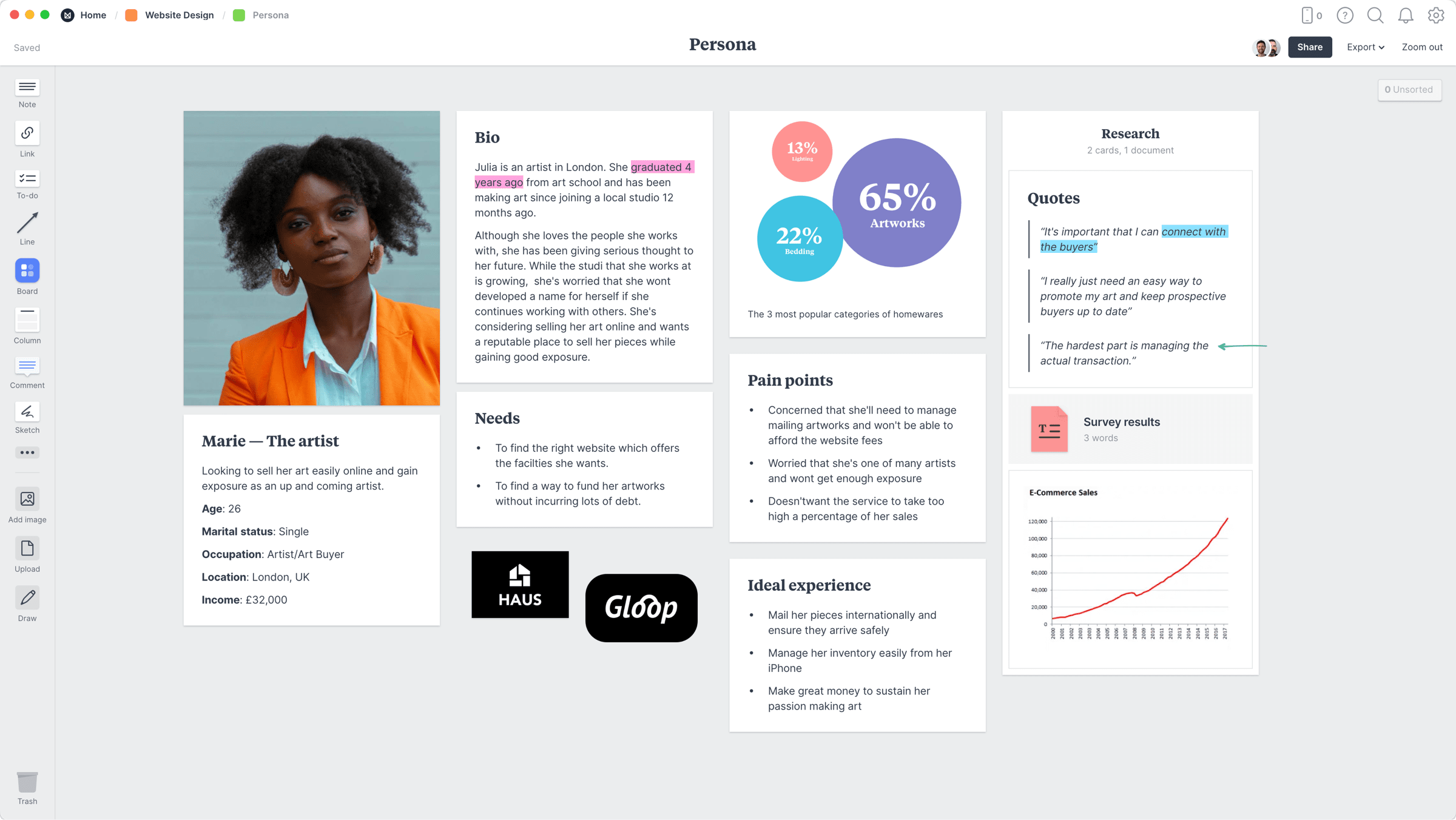
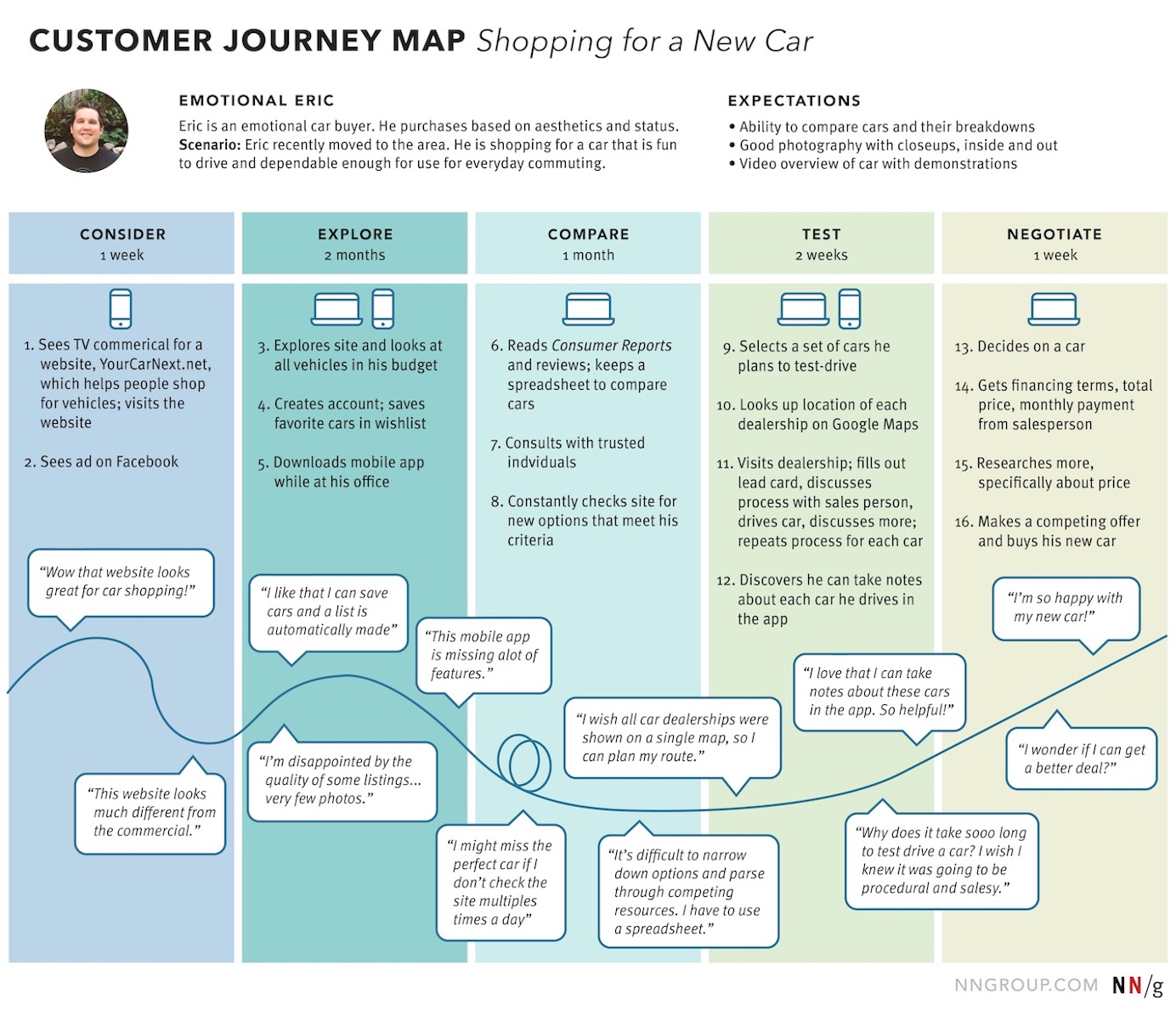

Image Suggestion:
- Description: Visual map of a customer journey
- File name: digital-marketing-audience-journey.jpg
- Alt text: Audience-first digital marketing journey
Better decisions, fewer assumptions
Guesswork used to be part of the job. In 2026, it’s mostly optional.
Marketers now rely on clearer insights to:
- Choose topics that actually matter
- Adjust campaigns before they fail
- Focus budgets where returns are proven
This doesn’t remove creativity—it protects it. When the basics are handled, teams have more freedom to experiment with ideas that stand out.
How beginners and businesses can adapt
You don’t need a huge budget or a large team to adapt. You need clarity.
Simple steps that work
- Review your existing content—what still helps readers?
- Update pages instead of publishing from scratch
- Focus on one audience segment at a time
- Measure engagement, not just traffic
- Keep language human and direct
Consistency beats complexity every time.
The real takeaway for 2026
The biggest change isn’t technology—it’s mindset. AI, Digital Marketing, Content Writings now revolve around usefulness, clarity, and trust.
When content respects the reader and marketing respects intent, results follow naturally. The brands winning in 2026 aren’t louder. They’re clearer.
If you focus on helping first and promoting second, you’re already ahead.
FAQs
1. Is digital marketing harder in 2026?
It’s more competitive, but also more rewarding for those who focus on quality and relevance.
2. Do small businesses benefit from these changes?
Yes. Smaller teams often adapt faster and connect more personally with audiences.
3. Is long-form content still effective?
Absolutely—when it’s structured well and answers real questions clearly.
4. How important is SEO now?
Still essential, but it works best when combined with helpful, reader-focused content.
5. What skill matters most for content writers today?
Understanding audience intent and writing clearly without overcomplicating the message.